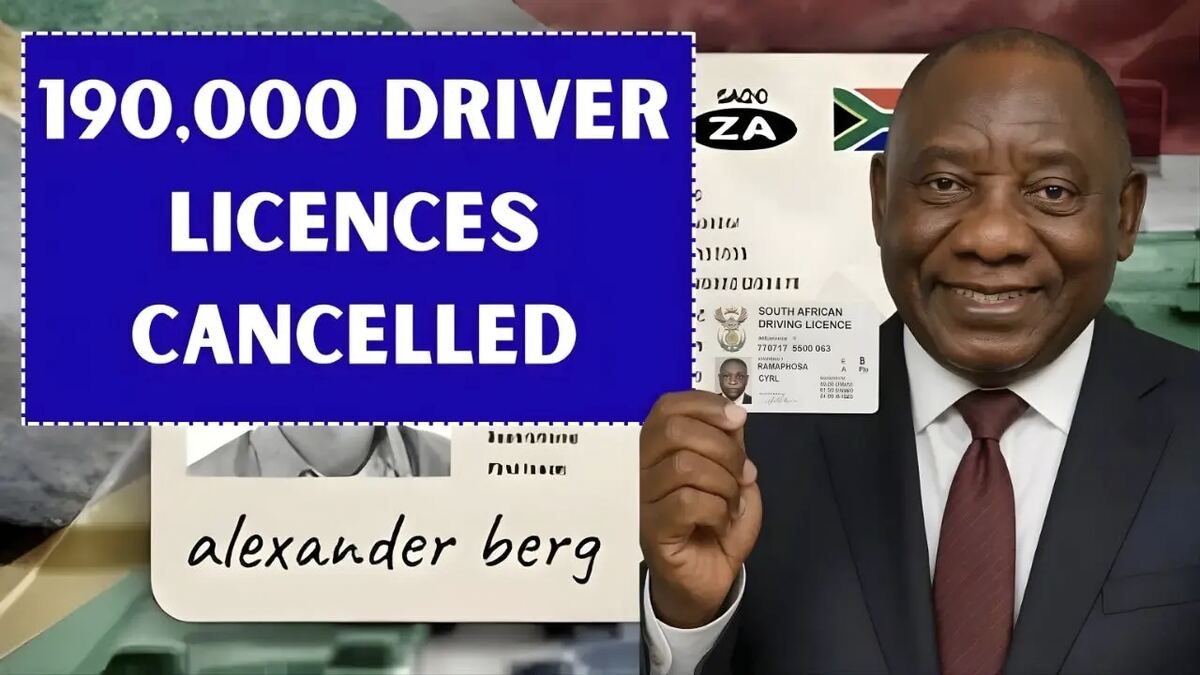
About 190,000 driver licenses were canceled by the South African authorities as part of an intensified nationwide crackdown on fraud, corruption, and malpractice in the driver licensing system. The move was predicated by a long-overdue inquiry into the systemic maladies in licensing processes that allowed unqualified drivers or illegally secured licences to operate.
These cancellations are an effort to regain public trust for the integrity of the country’s driver licensing system and to ensure that restricted licencing restriction is cast only on eligible permit holders.
Reasons for the Revocations
The mass revocation was based on investigating fraud and maladministration by the Special Investigating Unit in the eNaTIS (electronic National Traffic Information System) and the network of Driving Licence Testing Centres.
Wide range of irregularities have surfaced by investigative efforts, the most common being the issuance of licenses without the required skills training, tampering with or the forging of documents, or the transfer of licences to dead people. Many of the times, overlooked by weak internal controls, officials, and private middlemen-known as runners-were quick to alter or create licenses for financial gain
[Para 2] Having successfully questioned the credibility of the licensing systems, these systemic-role anomalies present well-founded threats to the safety of innocent citizens who otherwise would’ve been given privileges to drive on South African roads by the hands of aberrant drivers.

Impact on Drivers and the Licensing System
Consequently, if the driver’s license had been revoked, then one is additionally challenged to prove one’s identity through an extra process of submission of documents such as rewritten or practical tests or personal identification in the case of drivers required to undergo additional verification. In the midst of all the hullabaloos around the verification, perplexed, many affected drivers have experienced unending delays.
The countrywide licensing and testing centers also live increased times of those who need a re-test or its appeal, an act which is expected to increase the distresses in an already stretched system. Drivers are cautioned to see whether their permits have become fraudulently misappropriated and to evade a penalty or litigation by complying with current certification regulations.
Money recuperated through disciplinary actions alongside a front row in accountability
From these driving license cancellations, the SIU tried to recover approximately R14.7 million that had been corruptly compelled within the transport sector. This was finally returned to six Provincial Departments of Transport; the fraud’s financial impact was thereby minimalized.

A later individual deployment of funds of around R16.7 million included a series of questionable transfers and manipulated revenue records.
To consider accountability among the offenders, the SIU has referred 78 criminal cases to the NPA and followed up, initiating 73 disciplinary processes against implicated officials, which affect both government personnel and private individuals involved in corrupt practices.
Systemic Reforms to Prevent Future Fraud
Examples of reforms suggested as a result of the investigations include the following so as to engender licensing system reinforcement:

Implementation of real-time confirmations: the linking of eNaTIS with the Department of Home Affairs and Companies and Intellectual Property Registration Office, to confirm identity documents as well as foreign licences.
Amendment of the National Road Traffic Act to clarify the responsibilities of company proxy and representative.
Fewer liberties for license fraud will come about by improved internal procedures, auditing, and financial control across all licensing centres.
The reforms were enacted with the intention of creating an environment as a basis for a drivers’ licensing framework that is transparent, responsible, and secure to instill in the citizens’ mind amidst the full support of traffic safety standards.

Road Safety and Public Confidence
According to officials, the mass cancellation has caused some inconvenience to the public at large; however, the long-term benefits are much greater. These benefits include improved road safety, which is the pride of all participants in the programme, as well as an excelling public confidence in driver licences that may be revoked any moment at one’s convenience. For long-term enforcement of laws governing driver licensing, suppression of the fraudulent license holders ensures that only the basically qualified ones share a drive in public places, achieving a significant reduction of road fatalities and increasing the overall compliance of traffic laws.
Also Read: SASSA Christmas 2025 Pension Increase Confirmed: New Payment Amounts for Seniors