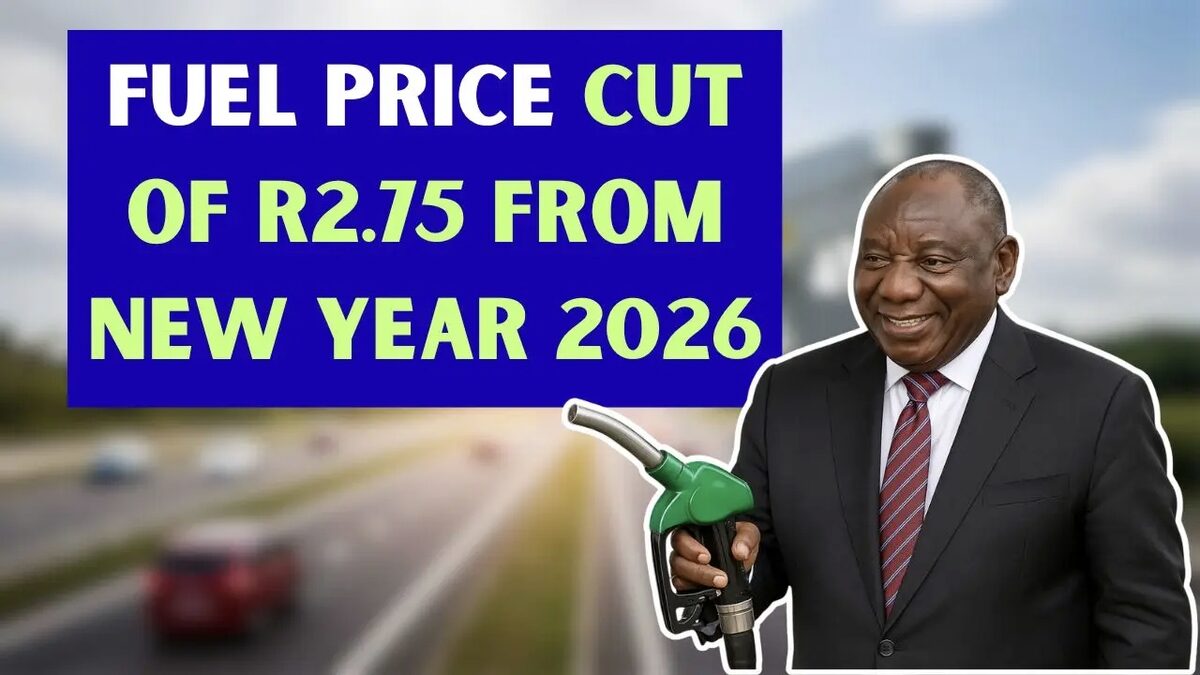
South African motorists have received welcome news as the government has confirmed a fuel price cut of R2.75 per litre, effective from 31 December 2025. This reduction comes just in time for the New Year and is expected to provide major relief to households, businesses, and commuters who have been under pressure from rising fuel and living costs throughout the year.
The price decrease applies mainly to petrol and reflects improving global and local economic conditions. For many drivers, this marks one of the most significant fuel price drops in recent months.
Why Fuel Prices Are Dropping
The confirmed fuel price cut is the result of several contributing factors. Globally, crude oil prices have stabilised after periods of volatility caused by supply disruptions and geopolitical tensions. Increased oil production and reduced demand in some regions have helped bring international oil prices down.

At the same time, the South African rand has strengthened against the US dollar, lowering the cost of importing fuel. Since South Africa relies heavily on imported crude oil, currency performance plays a critical role in determining local fuel prices. These factors combined have created the conditions needed for a meaningful reduction at the pumps.
Government’s Role in the Price Reduction
Another key reason behind the R2.75 fuel price cut is government intervention. Authorities approved a temporary adjustment to fuel levies, which has helped cushion consumers from higher costs. By easing tax pressures on fuel, the government has been able to pass more savings directly on to motorists.

This decision aims to support economic recovery, reduce transport costs, and ease inflation pressures affecting everyday goods and services.
How Motorists Will Benefit
For private vehicle owners, the fuel price cut means immediate savings. Daily commuters, long-distance drivers, and families who rely on cars for work and school travel will notice a reduction in monthly fuel expenses.

Public transport operators, including taxis, buses, and logistics companies, are also expected to benefit. Lower fuel costs can reduce operating expenses and may help prevent fare increases, offering relief to millions of passengers who depend on public transport daily.
Impact on Households and Businesses
Lower fuel prices often have a positive ripple effect across the economy. Transport and delivery costs influence the prices of food, retail goods, and essential services. As fuel becomes cheaper, businesses may face lower distribution costs, which could help stabilise prices for consumers.

Small businesses such as delivery services, farmers, and independent traders are likely to experience improved cash flow. Reduced fuel expenses can allow businesses to reinvest, maintain jobs, or expand operations, supporting local economic growth.
What to Expect Going Forward
While the R2.75 fuel price cut brings much-needed relief, experts warn that fuel prices remain sensitive to global oil markets and exchange rate movements. Future adjustments will depend on international crude oil prices, geopolitical developments, and government tax policies.
Nevertheless, the New Year fuel price reduction is a positive development, offering financial breathing room for South Africans as they enter 2026. Motorists are encouraged to stay informed about future fuel price announcements as economic conditions continue to evolve.