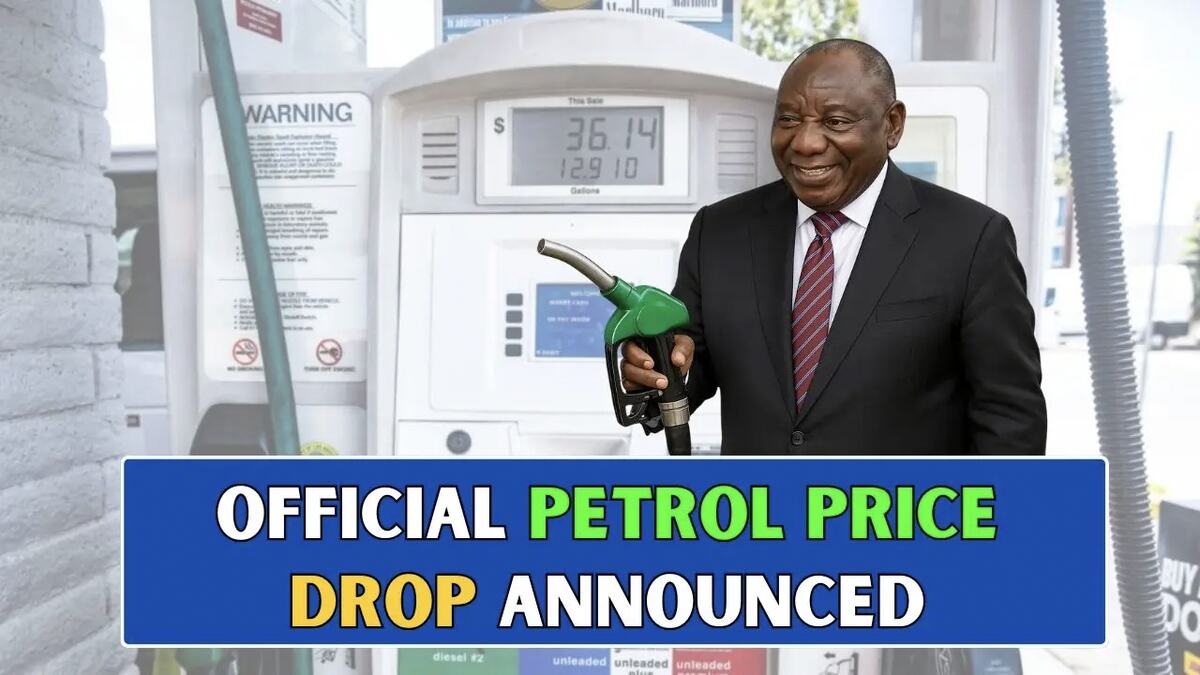
South African drivers can stop for air at petrol stations as the price of fuel falls, thereby providing much-needed financial reprieve to motorists and households alike. The rise is probably timed with global oil-market reversals; a relief on the house budget, transport cost, and basic survival expenses is expected.
Fuel prices claim a notable share of household expenses because they regulate not only the expenses associated with transportation but also costs concerning all goods and services in an international economy. The drop is pretty welcome given the inflationary pressure created by petrol prices in recent months and may finally translate into savings for a wide variety of people and businesses.
Why We Are Seeing a Decline in Gas Prices
One of the key reasons for low petrol prices now is the fact that global crude oil prices have come down considerably. As a net importer of fuel, South Africa sees sharp fluctuations in fuel prices due to movements in global markets. A decrease in crude oil prices abroad usually brings lake-through effects on domestic retails prices. And potential stabilization of exchange rates has also had some softening influence on cost of fuel imports eventually contributing to price reduction at retailers.

The involvement of international forces on the fuel landscape in South Africa highlights how much the country is interlinked with various global dynamics. The staunnovation against the US- ries also envowes a critical role in this case, the stronger rand making imported oil cheaper, thus easing some pressure on domestic petrol prices.
Advantages for Motorists and Households
Drivers’ financial status will be reinvigorated through petit coûts reduction. Such reductions siginify a bonus for normal daily vehicle drivers as well. Those that need to commute every single day will get cheaper rates on a regular basis so long as they recharge their vehicle tanks. This includes any such people as truckers, taxi drivers, or small-time owners of the many companies for whom petroleum remains an absolute principle of their crucial day to day activity.

For many households living tight with budgets, even an insignificant reduction to fuel-related expenses would make much of a difference. This, indeed, is essential for many families because gas expenses qualify as a major component of routine monthly charges. That being the case, any price reduction could free up money so that they have something left to buy food with, have money for bills, or can fund something through a formal means of education.
Greater Economic Impact
The direct feeling is felt right at the pump but the residual arms of reducing the prices of fuel might go slightly more distant. Transportation is one of the components of prices for goods and services; with fuel getting a little cheaper, it might shield food prices and public transportation expenses from some of the positive pressure in the short term, if not automatically.

In turn, reductions in fuel costs could necessarily ease inflation pressures on consumption in the wider economy, thus offering better price relief for lower- and middle-income groups. This could help put purchasing power into the hands of these families combined with any consequent family financial debate in the gloomy times of the economy.
Please remember that fuel price adjustments are reviewed every time; most adjustments occurred monthly, depending on changing market conditions. While this necessitates a decline in fuel prices right now, the case for or against a rise in petrol prices in the future is currently dependent on whether global oil prices remain relatively high or weaken. This should thus impel consumers to be, rather than frivolous with their declining-price notion and concrete in budgeting.

Suggestions for consumers:
Drivers can avail of lower fuel prices by wisely managing essential trips and following some fuel saving methods. It is indispensable to have regular vehicle maintenance, follow efficient driving, and use carpooling as much as possible to make sure the most is gotten out of every precious liter of fuel, leveraging financial benefits from the drop in prices.