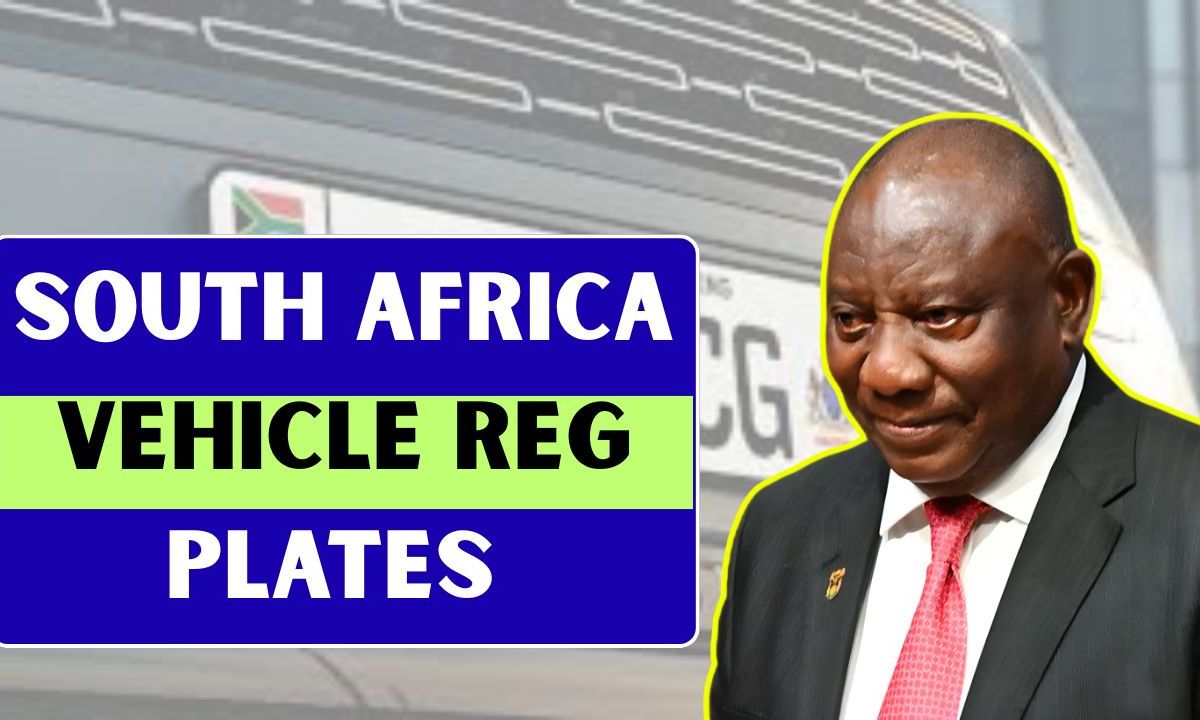
Vehicle registration plates are not only a legal obligation but also a primary means of identification for every motor vehicle on South African roads. Commonly referred to as number plates, these marks are connected through the National Traffic Information System (NaTIS) to their registered owners and represent the link between the car and its owner. The registration of vehicles with the plates issued by the authorities is a crucial process that helps in maintaining road safety, law enforcement, tolling systems, and vehicle tracking. Thus, the laws are to be adhered to by all drivers.
Standard Design and Format of Number Plates
In general, South African vehicle registration plates are characterized by black letters on a white reflective surface. A plate consists of a distinctive mix of letters and digits along with a particular provincial sign, for example, GP for Gauteng, WC for Western Cape, or KZN for KwaZulu-Natal. The provincial code denotes the area where the vehicle was initially registered and thus helps the government in keeping vehicle records accurately divided and reduced across regions.
All Number plates have to conform to approved materials and dimensions and also to the specified font and layout. Only authorized manufacturers are allowed to produce legal number plates.

Legal Requirements for Road Use
A number plate can only be regarded as legal if it conforms to the South African Bureau of Standards (SABS) specifications. Among other requirements, plates need to be made of the correct material and font, and properly attached to both the front and rear of the car. If it is not fixed securely, is damaged or altered, the owner may face fines and the vehicle may be considered unfit for the road.
Normally, a driver cannot place on the plates any ornaments, advertising, or non-standard colours, nor can he/she use a creative font or writing as that would mean the visual part of the number plate would differ from the official registry numbering. Therefore, even the slightest change can make a traffic inspection declare the plate as an illegal one.

Differences Between Provincial Plates
The registration process in South Africa is, although national, still a bit different in the provinces in some aspects, especially in the formats and numbering. The updating of some provinces’ systems has the main objectives of eliminating fraud and standardisation. As for KZN, it has been still introduced to the public with regards to the new numbering format that this area can prevent number overlap and thus have better control of vehicles identification.
Meanwhile, other parts are still contemplating advanced features to the number plates to make it even easier to identify the vehicle and thus further reduce fraud.

Personalised and Special Registration Plates
A vehicle owner is entitled to feel pride in their property and apply for a personalised registration plate which means that the owner can select a special number or name. Legal conditions still apply to these plates, plus they are subject to extra charges. Furthermore, there are special-number plates for government-owned vehicles, car dealers, and temporary registrations, the purpose of each is carved out in the transport system.
Future Changes and Smart Plate Developments
In the course of time, South Africa is likely to change to safer methods for registrations such as the use of smart number plates in some area. These plates will likely consist of tamper-proof materials and embedded digital tracking which are the accouterments to the fight against vehicle cloning and stealing.

Also Read: SASSA Bonus Grant 2025: Eligibility, Payment Dates And Latest Updates